Product Description
Other Detail
|
Condition
|
New
|
|
Quality
|
High
|
|
Feature
|
Durable
|
|
Export
|
Worldwide
|
|
Type
|
Automatic
|
The waste plastic recycling compression pallet making machine is mainly designed for recycling waste plastic.
The current main products are molded plastic pallets.
By maximizing the use of waste plastic for recycling, the machine is energy-saving, environmentally friendly, highly automated and labor-saving. Compared with existing plastic injection molding equipment, the cost of this production line is significantly reduced.
Advantages:
1. Fully automated production. The production line can be equipped with a fully automated production plan, and only one or two workers can complete the daily operations of the entire production line;
2. The pallet is of high quality, and the produced formed pallet has a smooth surface and multiple reinforcing ribs to ensure its high load-bearing capacity and good waterproof performance;
3. Environmental protection and energy saving can realize the reuse of waste plastics, without the generation of waste water or waste gas in the whole process, and promote the development of solid waste resource recycling industry.
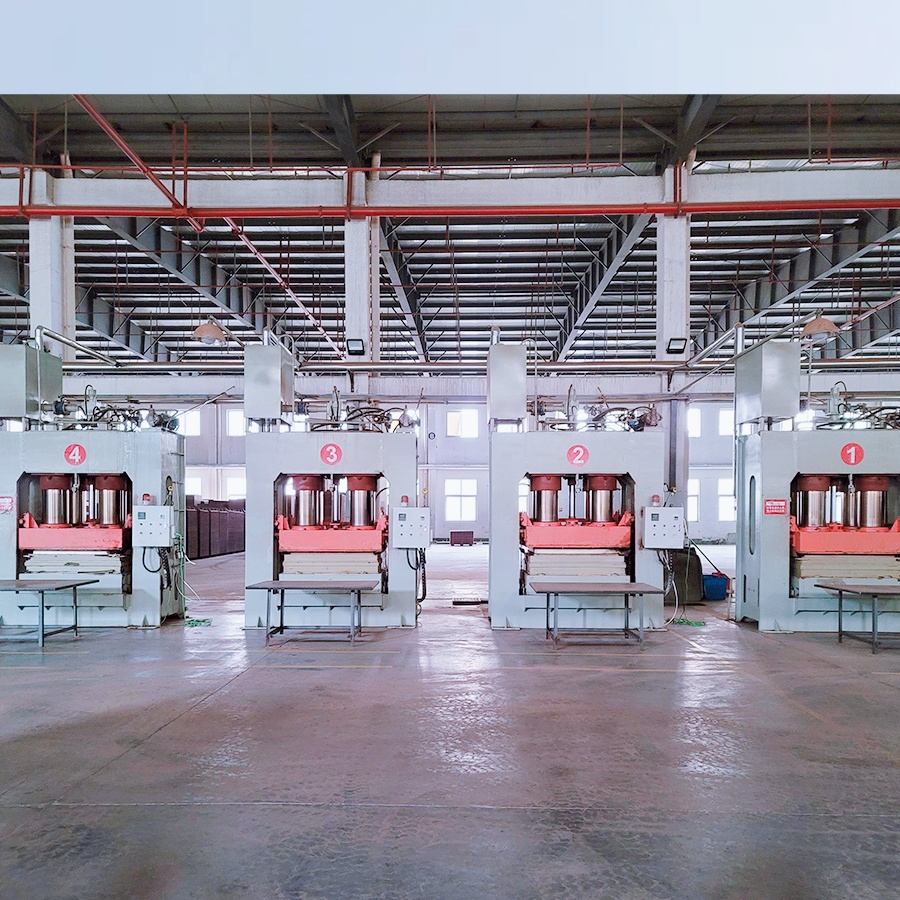
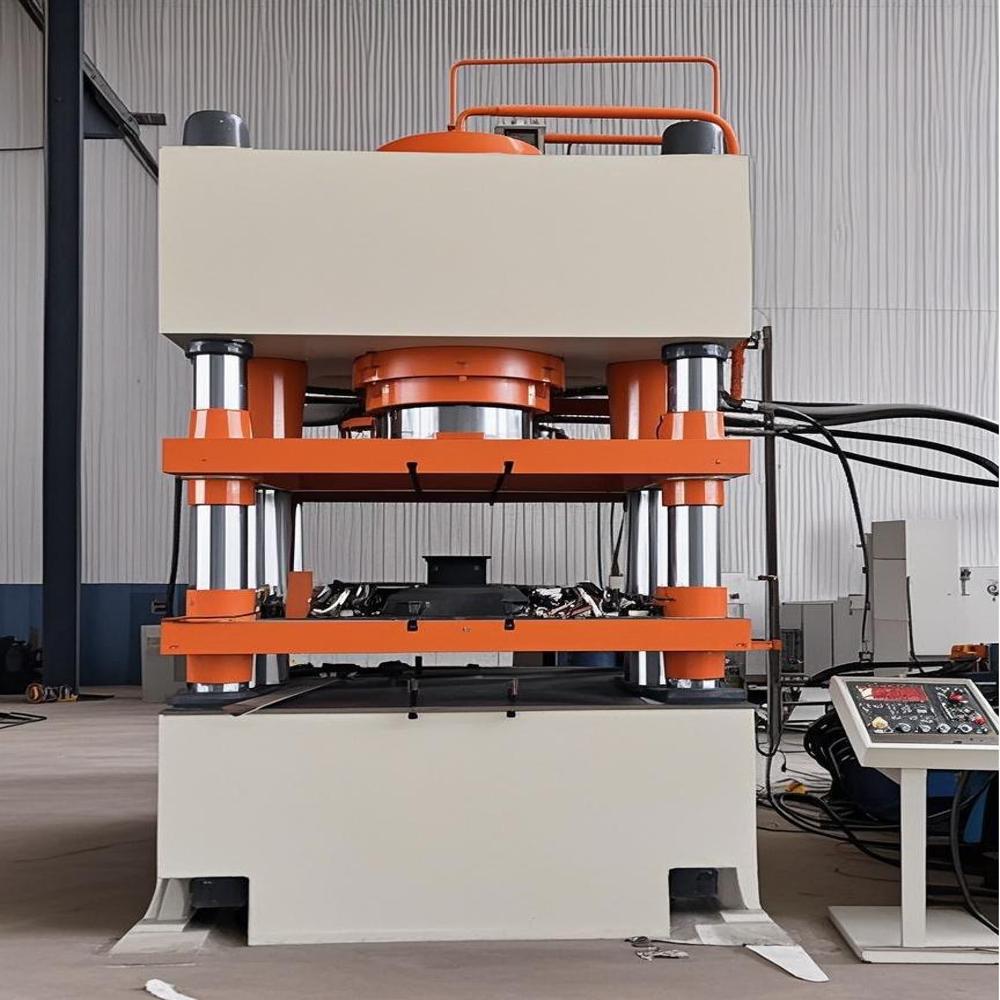
Superior Pallet Production TechnologyOur hot press wood pallet forming machine utilizes advanced hydraulic and heat control systems to transform sawdust, wood shavings, and biomass into durable, high-density pallets. With customizable sizes and automated PLC control, the equipment ensures consistent output and reliability, making it ideal for industrial settings where packaging and transportation efficiency is paramount.
Efficient, Fully Automatic OperationDesigned for continuous operation, this production line requires only 1-2 operators and produces 1-5 pallets per hour, depending on customization. The automated process streamlines raw material feeding, hot pressing, and mold cooling using a water cooling system for optimal cycle times. Low labor requirements and robust machinery reduce operational costs and maximize productivity.
FAQ's of High-pressure hot pressing wood pallet forming machine/sawdust pallet press processing production line:
Q: How does the high-pressure hot press wood pallet forming machine operate?
A: The machine compresses wood shavings, sawdust, or biomass under a working pressure of 1000-1200 tons using a hydraulic system. Heated molds (140-180C) shape the material into pallets, which are then cooled by a water-based system. The PLC control automates the cycle, ensuring consistent production and high product density.
Q: What types of raw materials are compatible with the pallet press machine?
A: This machine can process various biomass materials such as sawdust, wood shavings, and other plant-based residues. Using these materials, it creates strong, high-density pallets suitable for industrial use.
Q: When is this machine typically used in a production environment?
A: The hot press pallet forming machine is generally incorporated into packaging, storage, or shipping operations where consistent pallet quality and high production efficiency are required. Its capabilities make it especially suited for industrial production lines operating on a large scale.
Q: Where can the high-pressure hot press pallet machine be installed?
A: Due to its robust build and industrial design, the machine is most suitable for manufacturing plants, warehouse facilities, and large-scale export or packaging companies. Its compact dimensions and customizable color options allow for adaptable integration into existing lines.
Q: What is the process timeframe for forming each pallet?
A: Each pallet formation cycle takes approximately 280-350 seconds, from raw material compaction to cooling and finished product ejection. The specific time may vary based on size, raw material, and operational settings.
Q: How does the finished product benefit manufacturing or logistics operations?
A: Pallets produced have a density greater than 1000 kg/m3, ensuring durability for storage and transport. Their customizable size and strength contribute to safe handling and reduced material waste. The automated system minimizes labor involvement, thus reducing operational costs.
Q: What are the advantages of using this fully automatic pallet production line?
A: Key benefits include high efficiency, consistent pallet quality, reduced labor requirements, the versatility of raw material, fully automated operations controlled via PLC, and flexible capacity to suit varying production needs. It also delivers reliable performance, contributing to lower long-term maintenance and operational costs.





 Send Inquiry
 Send Inquiry

